Color Grading in Lightroom: Transform Your Photos from Flat to Cinematic

Color Grading in Lightroom: Transform Your Photos from Flat to Cinematic

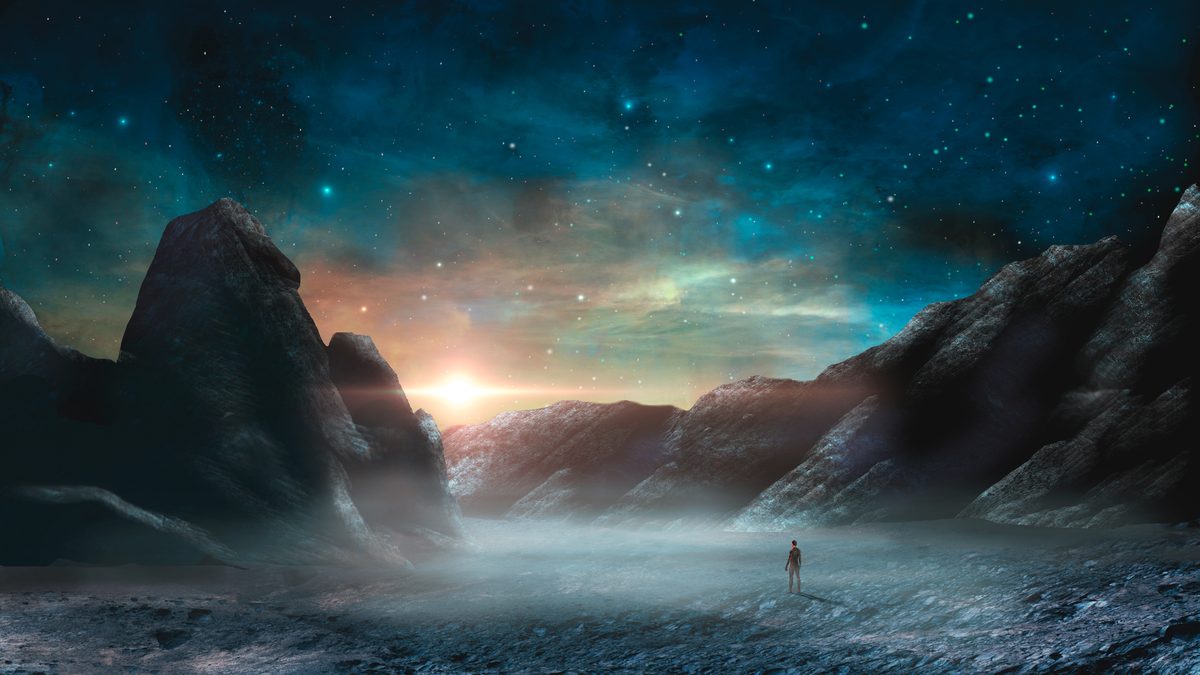
Color Grading in Lightroom: Transform Your Photos from Flat to Cinematic I used to think color grading was reserved for Hollywood colorists working in $50,000 suites. Then I realized it’s just intentional color choices, and Lightroom gives us all the tools we need to nail it. The difference between a snapshot and a shot? Often it’s color grading. A well-graded image tells a story before you even read the caption. Warm, golden tones feel nostalgic.

Film Emulation in Lightroom: How to Make Digital Photos Look Authentically Analog

Film Emulation in Lightroom: How to Make Digital Photos Look Authentically Analog

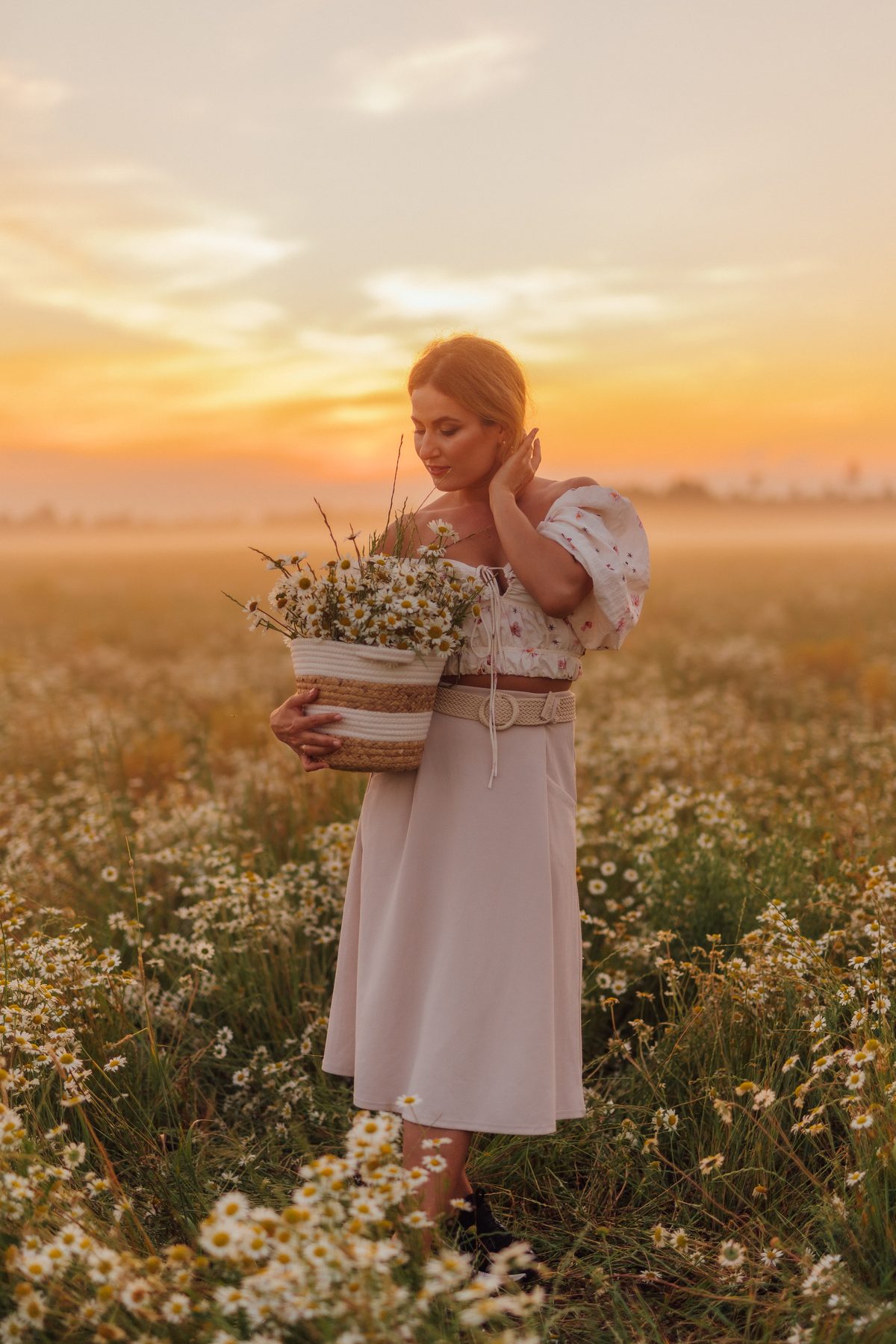
Film Emulation in Lightroom: How to Make Digital Photos Look Authentically Analog I’ve spent the last five years chasing that magical quality in film photography—that ineffable warmth, the grain structure, the way colors seem to have personality. The thing is, I don’t always shoot film. Most of my work happens on digital sensors, which is why I’ve become obsessed with film emulation in Lightroom. And honestly? When done right, you can get shockingly close to the real thing.

The Lightroom Preset Game-Changer: Why I Stopped Editing from Scratch

The Lightroom Preset Game-Changer: Why I Stopped Editing from Scratch

The Lightroom Preset Game-Changer: Why I Stopped Editing from Scratch I used to spend three hours editing a single portrait. Exposure slider here, shadows there, maybe a slight tint adjustment, rinse and repeat for the next 50 shots. I was a preset skeptic—the kind of photographer who thought using them meant I was “cheating” or not developing my eye. I was wrong. Dead wrong. The moment I started building and using presets strategically, my workflow transformed.

How Ryan Gosling's Alien La La Land Remake Proves Color Grading Makes the Character

How Ryan Gosling's Alien La La Land Remake Proves Color Grading Makes the Character

When a Simple Character Swap Changes Everything Ryan Gosling just pulled off something hilarious and unexpectedly brilliant—he recreated the iconic La La Land poster, but with a twist that made me stop and think about the fundamentals of visual storytelling. Instead of Emma Stone as his co-star, there’s now an alien. And somehow, it works. I know what you’re thinking: “That sounds ridiculous.” You’re right. But here’s what fascinated me about this swap—it’s actually a masterclass in how much color grading influences our emotional connection to an image.

Master HSL Adjustments in Lightroom: The Secret to Selective Color Grading

Master HSL Adjustments in Lightroom: The Secret to Selective Color Grading

Master HSL Adjustments in Lightroom: The Secret to Selective Color Grading I used to think color grading was this mysterious art form reserved for people with color theory degrees and expensive plugins. Then I discovered the HSL panel in Lightroom, and everything changed. It’s like having a color-specific scalpel instead than a sledgehammer—you can adjust individual colors without destroying the rest of your image. Let me show you what I’ve learned.

The Lightroom Trap: Why Your Improvements Might Be Sabotaging Your Images

The Lightroom Trap: Why Your Improvements Might Be Sabotaging Your Images

The Lightroom Trap: Why Your “Improvements” Might Be Sabotaging Your Images I’ve been staring at Lightroom for so long that I can practically taste the RGB sliders. And after years of editing—both my own work and mentoring other photographers—I’ve noticed something fascinating: the most destructive edits are the ones that feel amazing while you’re making them. Lightroom’s greatest strength is also its Achilles heel. The software is so intuitive and forgiving that we can make dramatic changes in seconds.

Why the Rumored Pentax DSLR Announcement Might Not Be the Game-Changer We're Hoping For

Why the Rumored Pentax DSLR Announcement Might Not Be the Game-Changer We're Hoping For

The Rumor Mill Is Spinning Again Here’s what we’re hearing through the grapevine: Pentax is planning to launch a new DSLR sometime this year. For those of us who’ve been loyal to the underdog brand—or at least curious about their approach to digital imaging—this news landed like a exciting teaser trailer. Finally, some movement in a market segment that’s felt increasingly stagnant. The source of this rumor comes from someone with serious credibility.

When Hype Overshadows Craft: What AI's Growing Pains Teach Us About Creative Work

When Hype Overshadows Craft: What AI's Growing Pains Teach Us About Creative Work

The Problem With Performing Innovation I’ve been thinking a lot lately about the difference between creating something meaningful and simply creating something that gets attention. It’s a distinction that matters deeply in photography and color grading, where the craftsmanship behind an image is what separates memorable work from forgettable content. Recently, I watched a major AI company stumble spectacularly while unveiling a new creative tool. The moment felt less like genuine innovation and more like a teenager trying to impress classmates with something they didn’t fully understand themselves.

Why Night Lights Photography is the Ultimate Lightroom Color Grading Challenge

Why Night Lights Photography is the Ultimate Lightroom Color Grading Challenge

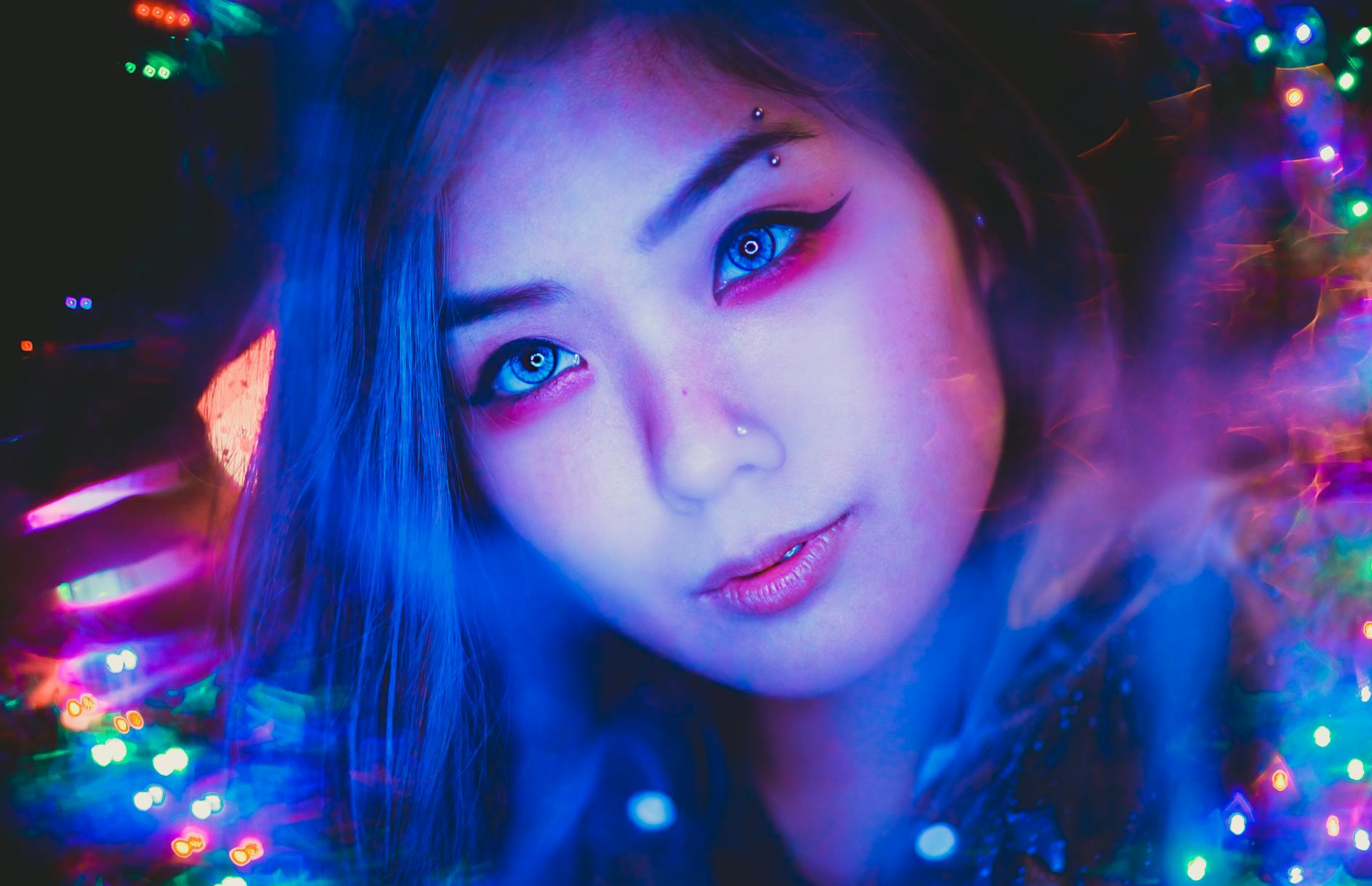
When Artificial Light Becomes Your Canvas I’ve been watching the photography community light up—pun absolutely intended—over night lights photography, and I’m here to tell you why this genre is basically a masterclass in Lightroom color grading. There’s something magical about artificial light sources that forces you to abandon your typical editing playbook and get creative. Unlike natural light photography, where you’re working with predictable color temperatures and falloff, night lights throw you into the deep end.

Mastering the Tone Curve in Lightroom: The Secret Weapon of Professional Editors

Mastering the Tone Curve in Lightroom: The Secret Weapon of Professional Editors

Mastering the Tone Curve in Lightroom: The Secret Weapon of Professional Editors I used to think the Tone Curve was for advanced editors only—you know, the kind of people who use words like “luminosity” casually at dinner parties. But after years of editing thousands of photos, I’ve realized it’s actually the most forgiving, most powerful tool in Lightroom’s arsenal. And honestly? It’s easier to master than you’d think. The tone curve changed everything for me.

The Lightroom Panic Attack: Why Your Photos Aren't Really Gone (And How to Find Them)

The Lightroom Panic Attack: Why Your Photos Aren't Really Gone (And How to Find Them)

The Lightroom Panic Attack: Why Your Photos Aren’t Really Gone (And How to Find Them) We’ve all been there. You open Lightroom on a Monday morning, coffee in hand, ready to dive into color grading that weekend shoot. But instead of your carefully organized grid of thumbnails, you’re staring at an empty library. Your stomach drops. Where did everything go? Before you start imagining your entire photo collection evaporating into the digital void—take a breath.

Breathing New Life Into Your Camera Roll: How Modern Upscaling Transforms Low-Resolution Photos

Breathing New Life Into Your Camera Roll: How Modern Upscaling Transforms Low-Resolution Photos

Breathing New Life Into Your Camera Roll: How Modern Upscaling Transforms Low-Resolution Photos We’ve all been there. You’re scrolling through your photo library and stumble upon images from your old point-and-shoot or that ancient smartphone camera—crisp memories stuck at 8 megapixels, now feeling impossibly small on modern displays. Your instinct? Delete them. But before you hit that trash button, I’ve discovered something that completely changed how I view my digital archive.